by The Case for Life | Jul 3, 2026 | Podcast
The worldview premises that make abortion plausible to our fellow citizens didn’t emerge in the 1960s—they’re rooted in centuries of philosophical shifts, from the Enlightenment’s fact-value split to today’s outright rejection of human dignity. Scott Klusendorf traces this history through Nietzsche, Oxford’s Bodleian Library, and the patient legislative work of abolitionists like Wilberforce and Lincoln, showing why real cultural change takes prudence, not impatience. Discover why understanding this history matters for defending life today on this episode of The Case for Life.
by The Case for Life | Jun 24, 2026 | Podcast
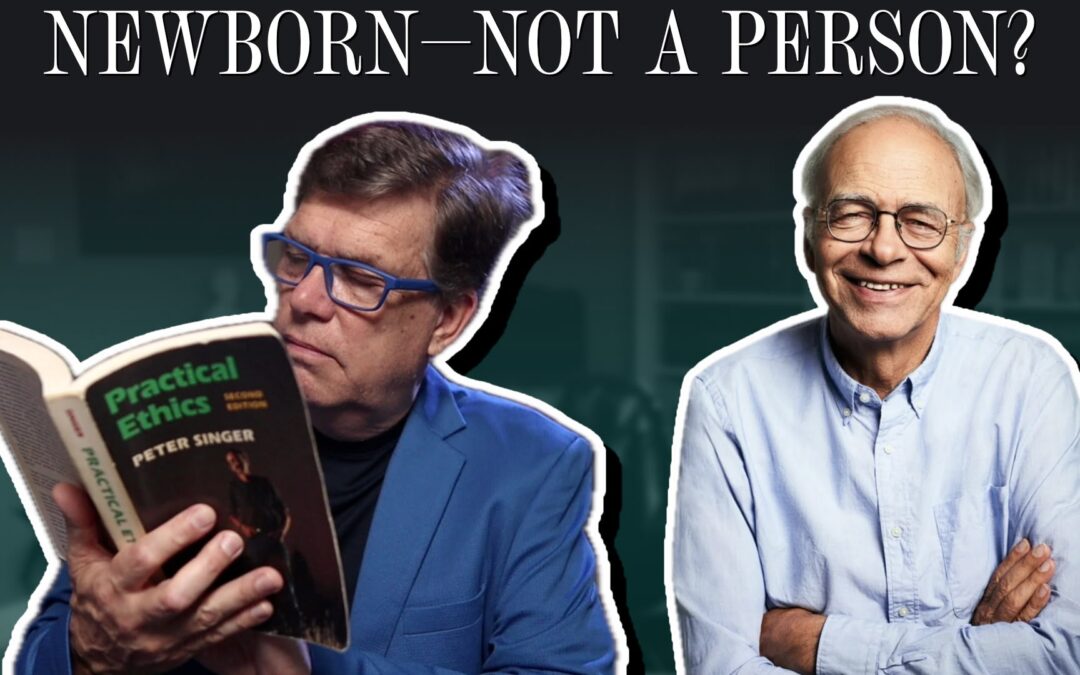
Scott Klusendorf continues his series on answering the leading academic defenders of abortion by turning to Peter Singer, whose mental continuity view claims that no newborn, much less unborn child, is a person until it can value its own existence. Scott shows how Singer’s argument rests on a faulty utilitarian ethic and a definition of personhood that cannot account for sleeping adults, coma patients, or anyone else who clearly remains a subject of rights. Join us as we learn how to answer one of the most influential thinkers in bioethics on this episode of The Case for Life.
by The Case for Life | Jun 17, 2026 | Podcast
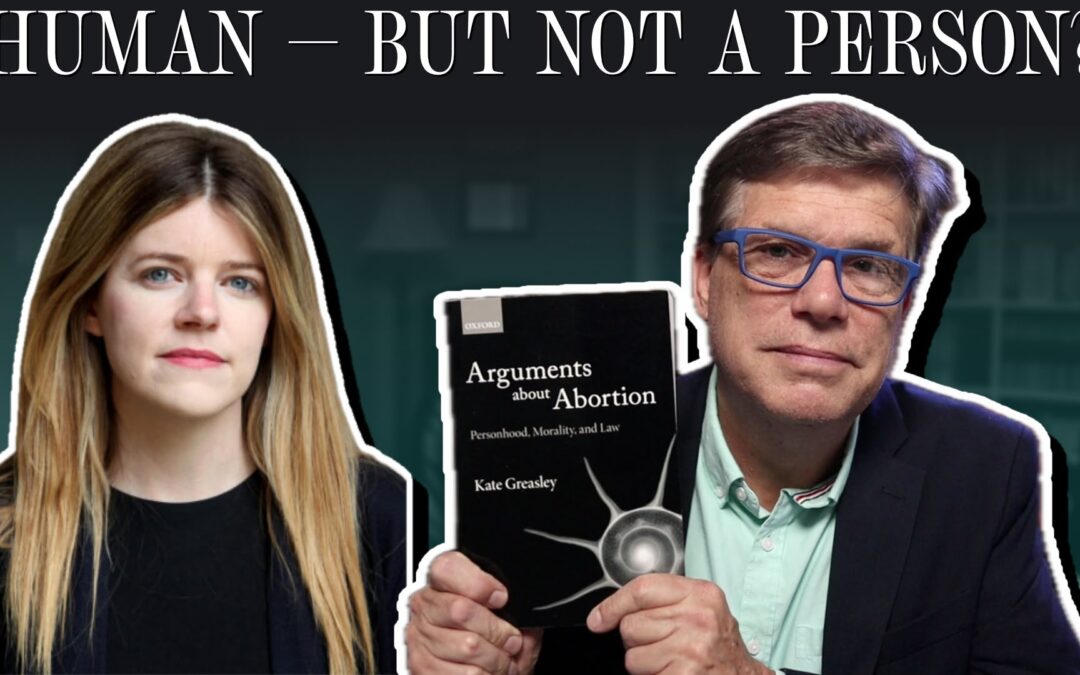
Either every human being shares an equal right to life, or human value rests on traits — self-awareness, rationality, the ability to feel pain — that none of us possess in equal measure. Oxford philosopher Kate Greasley grants that the unborn are human but denies they are persons, offering one of the most sophisticated cases on the pro-choice side, and Scott Klusendorf shows why her arguments, however winsome, can’t deliver the human equality she still wants to keep. Find out how to answer one of the brightest voices on the other side without being intimidated, on this episode of The Case for Life.
by The Case for Life | Jun 3, 2026 | Podcast
The culture is ratcheting up its attacks on human value and dignity. Whether abandoning reasoned debate in favor of hostile personal attacks or turning unwanted embryos into jewelry, abortion culture treats human beings as commodities to be manipulated rather than gifts to be received. Discover how you can effectively keep the main thing the main thing and defend the intrinsic value of every image-bearer on this episode of The Case for Life.
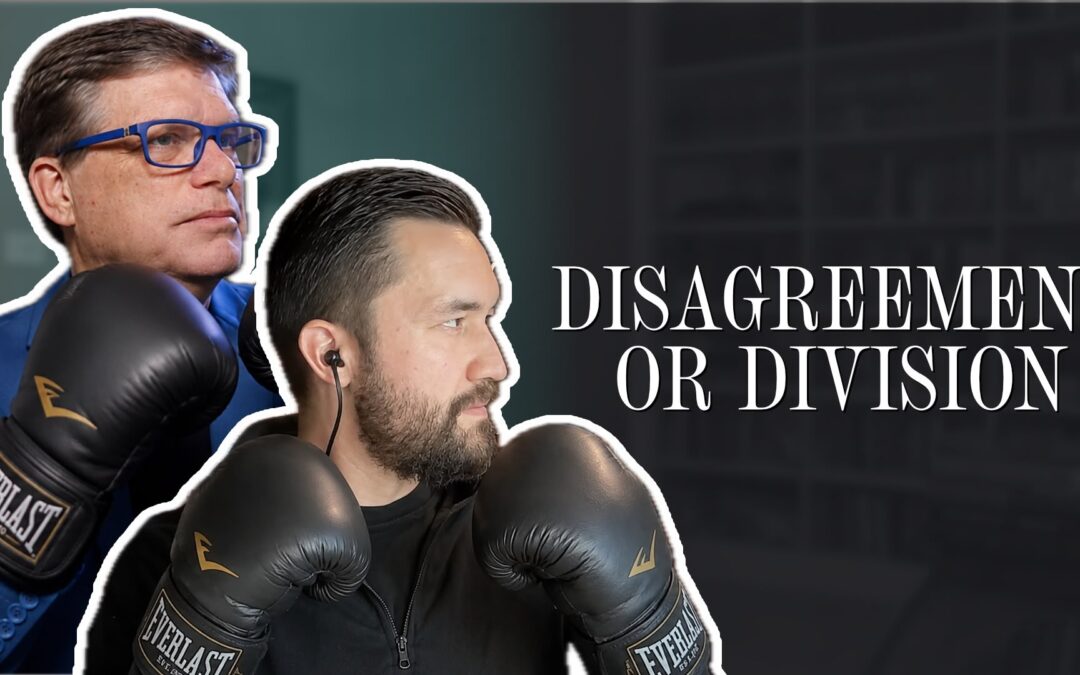
by The Case for Life | May 27, 2026 | Podcast
Scott Klusendorf is joined by his producer Adrian Rink to discuss how to navigate conflicts between brothers and avoid the trap of tribalism within the pro-life movement. Not everything is worth fighting over, and learning to distinguish between simple disagreement and necessary division is a vital skill for modern ministry. Learn how you can maintain a God-glorifying focus on rescuing the unborn while treating your fellow laborers with grace and humility on this episode of The Case for Life.